
India’s first Prime Minister, Jawaharlal Nehru, was one of the key leaders who played a significant role in shaping the country’s post-independence policies. One of his major focus areas was the development of agriculture. Unfortunately, Nehru’s agricultural policies, despite being ambitious and well-intentioned, were often unsuccessful and contributed to food shortages and famines in India. These failures not only affected the country’s agricultural productivity but also had a lasting impact on the lives of millions of people.
In this article, we will explore the reasons behind the Failure of Nehru Agricultural Policies and how they played a part in the famines that occurred during and after his time in office.
Nehru’s Vision for India’s Agriculture
When Nehru took office in 1947, India was a newly independent country struggling with the aftermath of British colonial rule. The country’s economy was in shambles, and agriculture was the backbone of its economy, employing a majority of the population. However, the agricultural sector was underdeveloped, and India faced severe food shortages.
Nehru, influenced by his vision of a modern, industrialized India, believed that agriculture needed a radical transformation. He wanted to modernize farming through the use of technology, increase food production, and ensure that the country would never face famines again. He introduced a series of policies to achieve this, which included large-scale irrigation projects, land reforms, and the promotion of scientific farming techniques. However, many of these policies ended up failing to deliver the desired results.
The Failure of Land Reforms
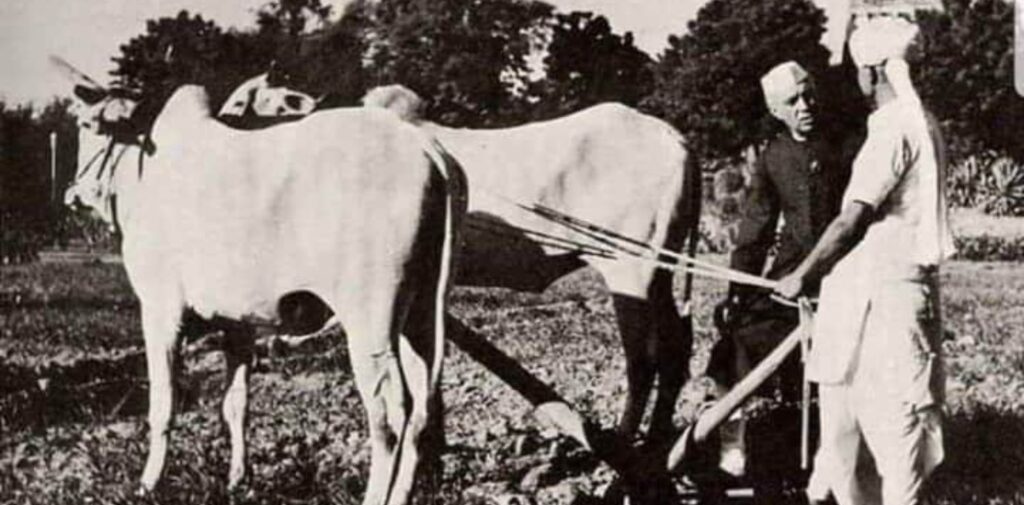
One of the first major agricultural policies that Nehru introduced was land reform. The idea was to redistribute land from wealthy landowners to poorer peasants in order to ensure that land was being used more efficiently and equitably. However, this plan failed for several reasons.
In many parts of India, land reforms were either poorly implemented or resisted by the local landlords. Instead of breaking up large estates and distributing land to the landless, many of the reforms were watered down. In some cases, the land reforms were undermined by corrupt officials and political interference, which resulted in only limited improvements in the lives of the poor peasants.
Additionally, the focus on land redistribution took away attention from more practical measures, like improving farming techniques or boosting agricultural productivity. Many small farmers who received land under these reforms lacked the resources and knowledge to improve their yields. As a result, land reforms did not lead to significant changes in agricultural productivity.
The Green Revolution and Its Limitations
In the 1960s, Nehru’s successor, Lal Bahadur Shastri, along with experts in agricultural science, introduced the “Green Revolution,” which was intended to increase food production through the use of high-yielding varieties of seeds, chemical fertilizers, and modern irrigation techniques. While the Green Revolution did have some success in increasing food production, it was not without its flaws.
The Green Revolution primarily benefited wealthy, large-scale farmers who could afford the expensive inputs like fertilizers, pesticides, and modern machinery. Small farmers, especially those in poorer regions, were left out of this technological boom because they could not afford to invest in these costly resources. As a result, inequality in Indian agriculture widened, and small-scale farmers continued to struggle with low productivity.

Furthermore, the Green Revolution focused heavily on the production of a few staple crops like wheat and rice, leaving other important crops neglected. This led to a decrease in crop diversity, which affected both the sustainability of farming and the nutritional diversity of the population. The over-reliance on chemical fertilizers and pesticides also led to soil degradation and environmental harm, which created long-term problems for Indian agriculture.
While the Green Revolution did help prevent some famines in the short term, it did not address the deeper, structural issues facing India’s agricultural sector. The focus on increasing yields through artificial means without improving the overall system of farming left many farmers vulnerable to changes in the economy and the environment.
The Neglect of Rural Infrastructure
Another critical aspect of Nehru’s agricultural policies was the neglect of rural infrastructure. While Nehru focused on large-scale projects like irrigation and dams, much of the rural infrastructure that farmers needed to succeed was overlooked. Roads, storage facilities, and marketing systems were not developed adequately, making it difficult for farmers to transport their crops to markets, store them safely, or sell them at fair prices.
The lack of infrastructure also meant that farmers were often unable to access the support they needed to increase their productivity. For instance, many areas lacked reliable electricity or access to modern machinery, which further hindered the ability of farmers to grow and sell their produce effectively. This left many farmers stuck in poverty and struggling to make ends meet, despite the government’s best efforts to promote agricultural reform.
Government Control and Price Fixing
Nehru’s government also implemented a system of price controls and government procurement, which was meant to stabilize food prices and prevent hoarding. However, these controls often had unintended consequences. The government set low prices for agricultural products, which discouraged farmers from producing more. The promise of guaranteed prices was not always met, and many farmers found themselves unable to sell their produce at a fair price.
In some cases, the government’s procurement policies led to shortages of essential food items. Farmers, who were already struggling with low productivity and rising costs, were disincentivized from growing certain crops, leading to food scarcity in many parts of the country. This price control system, while well-intentioned, ended up harming both producers and consumers in the long run.
The Impact on Famines
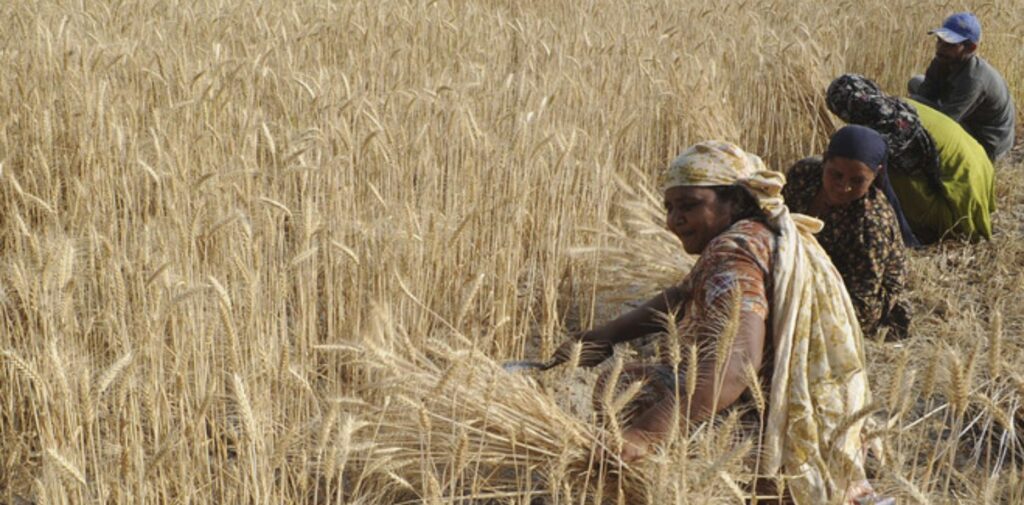
The failure of Nehru’s agricultural policies contributed to several famines and food crises during his time in office and beyond. While India did not experience a large-scale famine like the ones during British rule, the country faced frequent food shortages, particularly in the 1950s and 1960s.
One of the most notable food crises was the Bengal famine of 1943, which occurred just before Nehru took office. Although the famine was largely caused by British colonial policies during World War II, it highlighted the deep weaknesses in India’s agricultural system, many of which continued under Nehru’s leadership.
After independence, Nehru’s agricultural policies failed to address these weaknesses, and food production continued to lag behind population growth. Poor rural infrastructure, inadequate land reforms, and reliance on expensive technologies kept many farmers from benefiting from the government’s agricultural initiatives. As a result, India remained vulnerable to food crises.
The 1965 Indo-Pakistan War and the droughts of the mid-1960s also contributed to food shortages, and the failure of agricultural policies made it difficult for the country to cope with these challenges. The result was a series of food shortages that affected millions of people, particularly in rural areas.
Conclusion: Failure of Nehru Agricultural Policies
Nehru’s agricultural policies, although based on noble ideas and intentions, ultimately failed to bring about the kind of agricultural transformation that India needed. The neglect of small farmers, the failure of land reforms, and the limited benefits of the Green Revolution all contributed to an agricultural system that was unable to keep up with the growing demands of the population.
The lack of rural infrastructure and the negative consequences of price controls only added to the difficulties faced by India’s farmers. These failures contributed to food shortages and famines that affected millions of people, highlighting the need for a more comprehensive and practical approach to agricultural development.
While Nehru’s vision for a modern, industrialized India was commendable, his agricultural policies ultimately fell short. The lessons from this period are still relevant today, as India continues to struggle with issues of food security and agricultural development.