
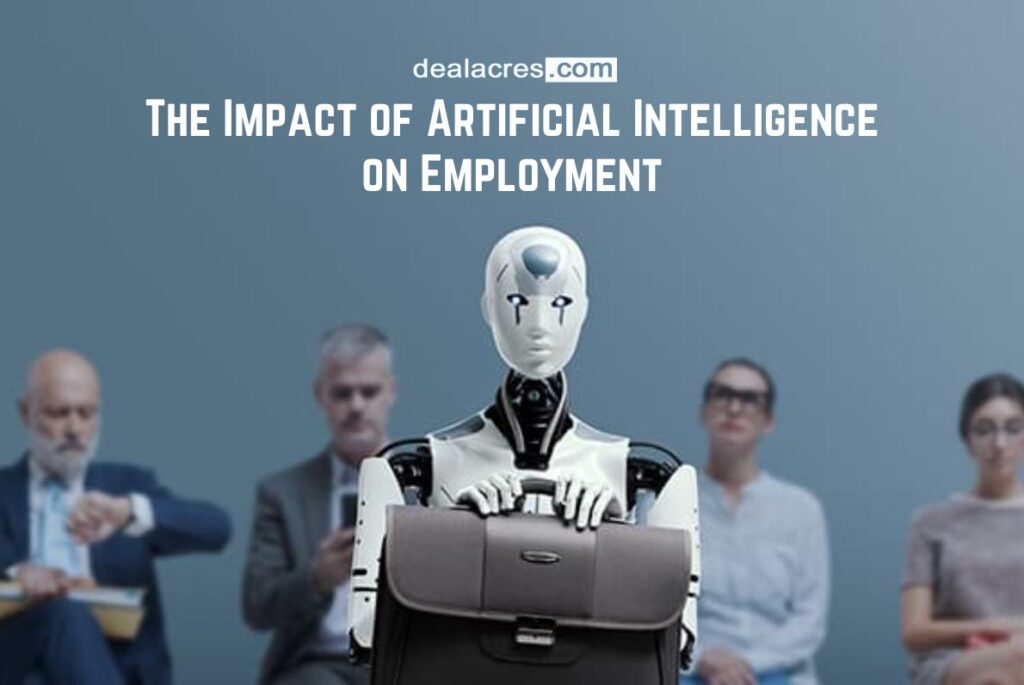
Artificial Intelligence (AI) has become a buzzword in recent years, promising to revolutionize various aspects of our lives. From self-driving cars to virtual assistants like Siri and Alexa, AI is increasingly integrated into everyday activities. However, as this technology advances, concerns arise regarding its impact on employment. In this article, we will explore the effects of AI on the job market and discuss potential solutions to mitigate its negative consequences.
Understanding Artificial Intelligence:
Before delving into its impact on employment, it’s essential to understand what AI is. Artificial Intelligence refers to the simulation of human intelligence processes by machines, especially computer systems. These processes include learning, reasoning, and self-correction. AI systems can perform tasks that typically require human intelligence, such as visual perception, speech recognition, decision-making, and language translation.

The Impact on Employment:
The integration of AI into various industries has undoubtedly transformed the nature of work. While AI has the potential to streamline processes, boost productivity, and create new job opportunities, it also poses challenges to traditional employment models.
- Automation: One of the primary concerns regarding AI is its role in automation. AI-powered machines and algorithms can perform repetitive tasks more efficiently than humans, leading to the automation of jobs across multiple sectors. For example, in manufacturing, robots equipped with AI capabilities can assemble products faster and with greater precision than human workers.
- Job Displacement: As automation becomes more prevalent, certain jobs may become obsolete, leading to job displacement for workers in affected industries. For instance, cashier positions in retail stores are increasingly being replaced by self-checkout machines, reducing the need for human staff.
- Skill Shift: While some jobs may be eliminated due to automation, new roles that require AI-related skills are emerging. These roles include data scientists, AI engineers, and machine learning specialists. However, transitioning into these roles may require additional training and education, creating a skills gap for workers who are displaced from their previous jobs.
- Economic Disparities: The adoption of AI technology may exacerbate economic disparities, as those with the necessary skills to thrive in an AI-driven economy may benefit disproportionately compared to those without. This can widen the gap between the skilled and unskilled workforce, leading to social and economic inequality.

Addressing the Challenges:
While the widespread adoption of AI presents challenges for the labor market, some steps can be taken to mitigate its negative impact on employment.
- Investment in Education and Training: To prepare the workforce for the jobs of the future, there needs to be a greater emphasis on education and training in AI-related fields. This includes providing opportunities for upskilling and reskilling programs to help workers adapt to changing technological demands.
- Promoting Lifelong Learning: Given the rapid pace of technological advancement, lifelong learning has become essential for staying relevant in the workforce. Employers, governments, and educational institutions should encourage individuals to engage in continuous learning to acquire new skills and stay competitive in the job market.
- Support for Displaced Workers: For workers who are displaced due to automation, there should be support mechanisms in place to help them transition to new employment opportunities. This may include unemployment benefits, job placement services, and financial assistance for retraining programs.
- Ethical AI Development: As AI technology evolves, it’s crucial to prioritize ethical considerations to ensure that AI systems are developed and deployed responsibly. This includes addressing biases in AI algorithms, promoting transparency in decision-making processes, and safeguarding against potential misuse of AI technology.
Conclusion:
In conclusion, while the rise of AI may reshape the employment landscape, proactive measures can help mitigate its negative effects and harness its potential for the benefit of society as a whole.
Artificial Intelligence has the potential to reshape the future of work, offering opportunities for innovation and efficiency. However, its widespread adoption also presents challenges for the labor market, including job displacement and skills shortages. By investing in education and training, promoting lifelong learning, supporting displaced workers, and prioritizing ethical AI development, we can mitigate the negative impact of AI on employment and create a more inclusive and sustainable future workforce.