
In the ever-evolving landscape of startup funding, one avenue has been gaining significant traction: crowdfunding. This innovative approach to raising capital has revolutionized the way entrepreneurs bring their ideas to life. From tech gadgets to artistic endeavors, crowdfunding platforms offer a stage where budding startups can showcase their projects to a global audience, seeking support from individuals who believe in their vision. In this article, we delve into the role of crowdfunding in startup funding, exploring its benefits, challenges, and impact on the entrepreneurial ecosystem.
Understanding Crowdfunding:
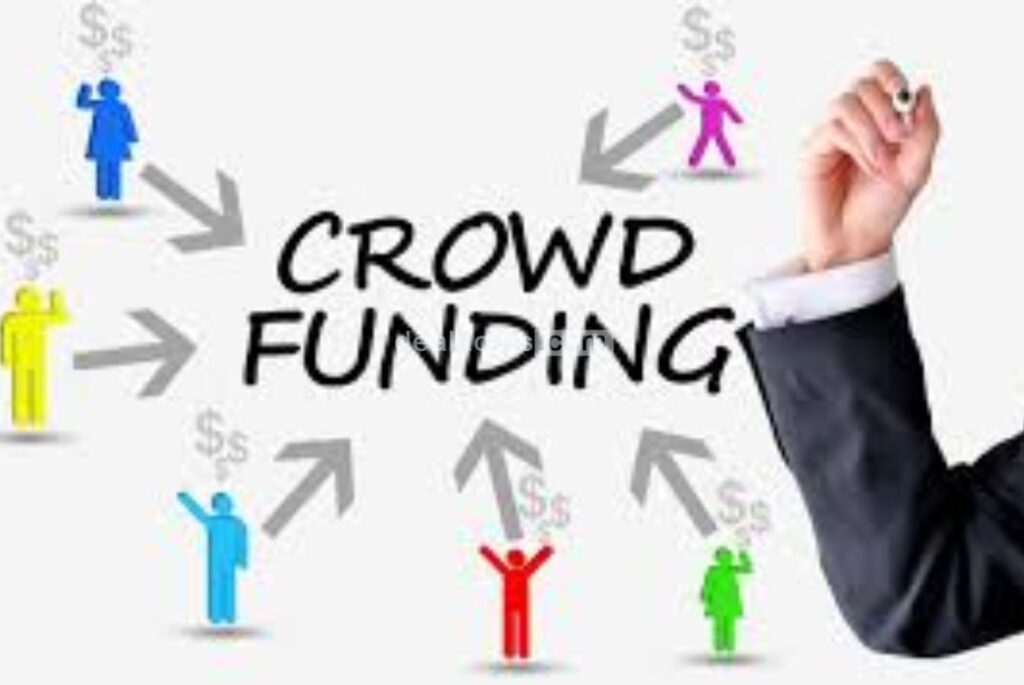
Crowdfunding is a method of raising funds for a project or venture by collecting small contributions from a large number of people, typically via the Internet. Unlike traditional funding avenues such as bank loans or venture capital, crowdfunding democratizes the investment process, allowing anyone to participate in supporting ideas they find compelling.
The process usually involves a crowdfunding platform, where entrepreneurs create campaigns detailing their projects, goals, and funding needs. Contributors, often referred to as backers or supporters, pledge funds towards these projects in exchange for various incentives, which can range from early access to products, exclusive perks, or simply the satisfaction of helping bring a creative concept to life.
Types of Crowdfunding:
There are several types of crowdfunding models, each with its unique characteristics and purposes:
- Rewards-Based Crowdfunding: In this model, backers contribute funds in exchange for rewards or incentives offered by the project creator. These rewards can vary depending on the nature of the project and may include pre-orders of the product, acknowledgments, or special editions.
- Equity Crowdfunding: Equity crowdfunding allows investors to acquire equity stakes in the startup in exchange for their financial contributions. This model enables startups to raise larger sums of capital by selling shares of their company to a broader pool of investors.
- Donation-Based Crowdfunding: Donation-based crowdfunding revolves around philanthropic efforts, where backers contribute funds without expecting any financial returns or rewards. This model is often used for charitable causes, community projects, or personal endeavors.
- Debt Crowdfunding: Also known as peer-to-peer lending, debt crowdfunding involves individuals lending money to businesses or individuals with the expectation of repayment with interest over time. This model provides an alternative to traditional bank loans and can be particularly beneficial for startups with limited access to credit.

The Impact of Crowdfunding on Startup Funding:
Crowdfunding has emerged as a game-changer in the startup ecosystem, offering numerous benefits for entrepreneurs and investors alike:
- Access to Capital: One of the most significant advantages of crowdfunding is its ability to provide access to capital for startups at various stages of development. Unlike traditional funding sources, which may require extensive business plans or collateral, crowdfunding allows entrepreneurs to pitch their ideas directly to potential backers, bypassing many of the barriers to entry.
- Market Validation: Crowdfunding serves as a powerful tool for market validation, enabling entrepreneurs to gauge interest in their products or services before full-scale production. By attracting backers who are willing to invest their money in a project, startups can validate demand and fine-tune their offerings based on early feedback from supporters.
- Community Engagement: Crowdfunding fosters a sense of community around startup projects, engaging backers as active participants in the journey from concept to fruition. Through regular updates, behind-the-scenes glimpses, and interactive communication, entrepreneurs can cultivate a loyal fan base that extends beyond financial support.
- Brand Exposure: Launching a crowdfunding campaign can significantly boost a startup’s visibility and brand exposure. Successful campaigns often attract media attention, generating buzz around the project and attracting potential customers, partners, and investors.

Challenges of Crowdfunding:
While crowdfunding offers numerous benefits, it also comes with its fair share of challenges and considerations:
- Crowded Marketplace: With the proliferation of crowdfunding platforms and projects vying for attention, standing out in a crowded marketplace can be challenging. Successful campaigns require strategic planning, compelling storytelling, and effective marketing to capture the interest of potential backers.
- Fulfillment Risks: Meeting the expectations of backers and fulfilling rewards can pose logistical challenges for startups, particularly if demand exceeds initial projections. Delays in production, shipping issues, or quality control issues can result in backlash from backers and damage the startup’s reputation.
- Investor Relations: Managing relationships with a large and diverse group of investors can be complex, requiring clear communication, transparency, and accountability. Startups must navigate investor expectations, provide regular updates on progress, and address any concerns or issues that may arise during the fundraising process.
- Legal and Regulatory Compliance: Crowdfunding is subject to various legal and regulatory requirements, depending on the jurisdiction and type of crowdfunding model used. Startups must ensure compliance with securities laws, tax regulations, and platform-specific terms and conditions to avoid legal complications or penalties.
Conclusion:
In conclusion, crowdfunding has emerged as a potent force in the realm of startup funding, offering a viable alternative to traditional financing channels. By harnessing the collective power of the crowd, entrepreneurs can access capital, validate their ideas, and cultivate a community of supporters around their projects. However, navigating the complexities of crowdfunding requires careful planning, execution, and ongoing engagement to maximize the chances of success. With the right strategy and approach, crowdfunding can catalyze innovation, empowering startups to turn their visions into reality.